Originally published on Medium.
Google Play is now only for big development teams — Solo devs beware!
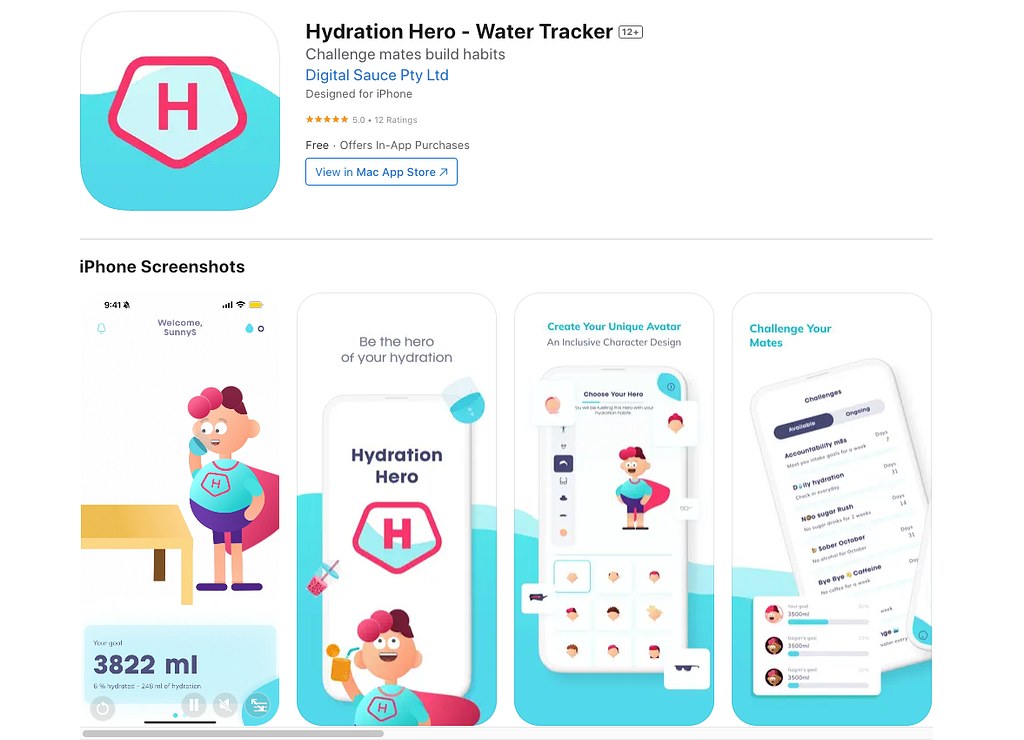
As an independent developer, I’m thrilled with the recent success of my hydration tracking app, Hydration Hero, on the Apple App Store. However, my journey to bring it to the Google Play Store has been frustrating, highlighting a system that seems heavily tilted against solo developers like myself.
Google Play Apps & Games Team recently implemented a new requirement: personal developer accounts must conduct a closed test with at least 20 testers who’ve opted-in for 14 days before submitting the app for review. This hurdle, while seemingly small, presents a significant challenge for independent developers.
Twenty Testers: An Unrealistic Hurdle?

Securing 20 engaged testers is a tall order for an indie developer with limited resources. Paying for professional testers is simply out of reach. So, I turned to my network, recruiting 20 Android users — friends, family, and acquaintances. But even that wasn’t enough.
Google Play Apps & Games Team denied my request to publish, citing a lack of user engagement and the absence of best practices, such as collecting and implementing user feedback through app updates. This left me baffled.
Documentation Gap and Unclear Expectations:
The Google Play documentation offers no specifics on what constitutes “engaged” testers — the number of sessions, engagement rate, or minimum time spent on the app. Frustratingly, Google doesn’t offer a built-in feedback collection mechanism like Apple’s TestFlight, forcing me to gather feedback individually.
None of the users knew that if they reviewed the app, I get feedback. I was not aware of it myself.
Testers onboarding is painful
The onboarding for testers has many pain points, once the users get an email to join my closed testing, if they click the link and their chrome is not signed in with the same google play account they’d see an error page.
Even when they do enrol, they are not informed that the review we be used for feedback.
I had to stay on video call with whoever I can to help them onboard.
Now, I face a 14-day wait and the daunting task of recruiting and engaging the same group (hopefully!) to satisfy Google’s opaque requirements. This feels like a gamble, relying on the goodwill of a small group to determine my app’s fate.
Months of Effort, Roadblocked by Ambiguous Rules
I poured months into building Hydration Hero, conducting thorough guerilla testing with real users. Seeing it thrive on the iOS App Store is rewarding. Yet, Google’s system creates a barrier to entry that disproportionately affects independent developers.
Cross-Platform Development at a Crossroads
I chose Flutter for its cross-platform capabilities, excited to reach both iOS and Android users. However, Google’s closed testing policy may force me to reconsider. If publishing on the Play Store continues to be this challenging, I might have to stick exclusively with Swift UI for future projects.
Is There a Better Way?
While I can understand a need for quality control the current measures are just highly demotivating for indies like me.
I urge Google to revisit its closed testing requirements. Consider a tiered system, allowing smaller indie developers to start with fewer testers, gradually increasing the size as they gain traction. Additionally, clearer guidelines on user engagement and a built-in feedback collection mechanism would remove much of the current ambiguity.

This experience highlights a larger issue: fostering an environment that encourages and supports independent developers, a crucial segment of the mobile app ecosystem. Let’s work towards a system that celebrates innovation and makes mobile app development truly accessible to all.