Originally published on Medium.
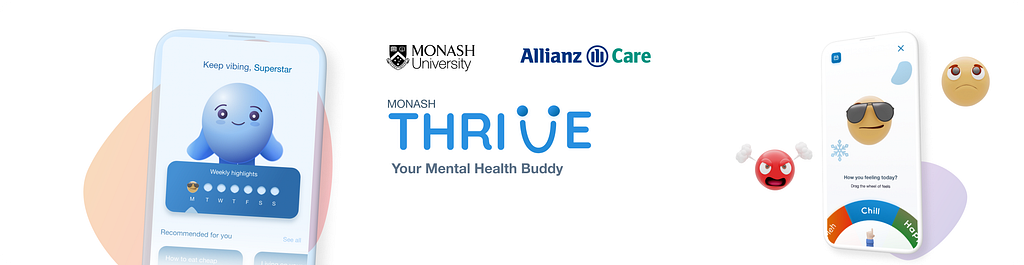
note: This article is written for non-uxers to deliver an overview of the project, find UX case study here.
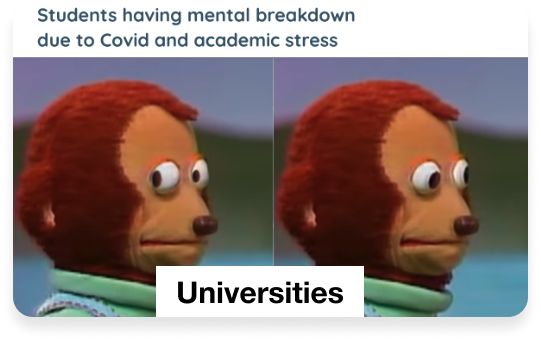
COVID gave us a lot of problems and mental health is certainly one of the biggest ones. A large chunk of students were affected by a combination of covid, and academic and financial stress, and most universities were looking away.
Monash University and Allianz Care wanted to do something about this to support their students but the solution had to be well-tested.
What should we do?
Write blogs, organize mental health educative events, have more student collaboration spaces, have more counsellors, or promote peer support groups.
These all were good ideas but we had to ask students all of this first and understand their psych with mental health support.
Student Trends
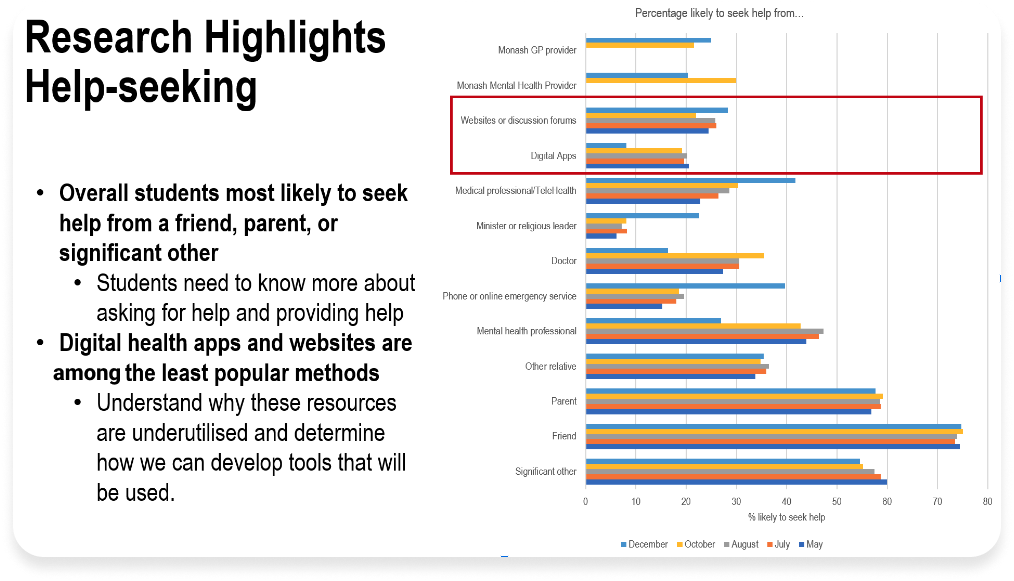
We knew that websites and apps are among the least popular methods to seek help and we made it a mission to understand why these are underutilised and if and how they can be improved for better utilisation.
While we could have easily pumped more mental health resources, they didn’t prove to reach the audience as intended.
What we found out
After conducting various surveys, focus groups, and personal interviews we found some major trends in the students' mental health ecosphere:
- Stigma is a major barrier to seeking help (especially international students)
- Approx 20% of students seek help from websites, apps, or other digital help tools
- They don’t want to pay for apps
- Apps are not personalised as per their needs
- Privacy is a major concern
From our research, we planned features for our MVP trials and benchmarking for its success. We designed prototypes and tested them with students, the app was being co-designed with students.
Our Hypothesis
If we can provide students with a secure and engaging mobile platform to educate them about mental well-being, it can help students self-monitor their mental health, get required support, and provide support to their peers in need.
Key objectives
We focused on achieving the following objectives after our user research, to ensure the app is something that students need and will actually use.
Use their Language and imagery
We embraced all of the “lingo” and imagery of the mass student generation as we could. We also developed a content audit sheet to make sure our app communicates with them in the same friendly and hip fashion throughout their journey.
Give them Control
Users wanted more control, there’s a plethora of evidence supporting self-determination theory and the benefits of giving autonomy to the users.
Provide Privacy and Security
The students were really concerned about their privacy and security. We made sure they had absolute privacy and the best security measures in place, so they could freely express their thoughts and emotions without worrying about their data ending up in the wrong hands.
We ensured that data remained in their phones and was deleted once the app was deleted.
Make it intuitive
We tested the app's usability on various scales including SUS and ensured all features were intuitive and easy to understand for users.
Diversity of mental well-being approach
People have various approaches to maintaining their mental well-being. Some students find solace in journaling and tracking their moods, others opt for meditation and deep-breathing exercises, and there are those who believe that enhancing their focus on studies or tasks positively impacts their mental health.
We created the platform initially with the 20% who rely on mobile tools for mental support in mind, and later expanded its usage to include those who use such tools to boost their productivity.
Make it Engaging
Mental health doesn’t have to be plain and boring, we aimed to make each and every feature interactive and fun to use.
features were derived from user research over the testing and trial periods.
Make Learning Fun
Improving mental health literacy was a core purpose of this app. We empowered the users with a reflective self-education feature where they can monitor their own behaviour trends.
We also provided personalised mental health resources to students to help them with their day-to-day challenges as well as equipping them to help their peers.
Giving them Incentives
Our student cohort is mostly from the generation of TikTok and reels where dopamine is a fast seller. We had to provide some incentives to the users to engage with the app, users can unlock badges with their streaks and unlock more buddies within the app.
Testing its efficacy
To ensure the app is successful in influencing the culture of mental health and help-seeking in our students, we tested its efficacy through qualitative and quantitative methods.
Our badges of honour from this project
Been using counselling services recently after using the app. I was not motivated before
The app has helped me a lot even though I didn’t expect it to. I will certainly keep using it and would highly suggest it to my other peers. One of the things I like about it a lot the app suggests me short articles to read based on the mood that I have checked in. I find that really helpful. Thank you so much for designing this app.
I think all aspects worked really well and had a lot of positive effects on my lifestyle. Thank you for being involved in this program.
App sneak peek
View the sneak peek of the app below
What's next?
The process has been a long but rewarding one. Being extremely user-focused and having our users co-design this app gives us great excitement as we launch the app this week. We are proud to be a part of helping make mental health help more accessible to those who need it.
The team will continue testing the app in the coming years and improving it and tailoring it as per community needs.
Next version of updates will focus on increasing accessibility with assistive technologies and voice interactions.
Is it on app stores?
The app launched on both the Android and iOS app stores, available to Monash University staff and students during its pilot. The pilot has since concluded — you can explore the full UX case study on Behance, or see how we brought its character to life in our Rive animation write-up.