What's normal at the start
- Age: healthdirect says the average first period is at 12 or 13, but anywhere from 9 to 16 is normal.
- Timing: irregular periods are normal when periods first start. Cycles of 21 to 35 days are typical once they settle, and it can take a while.
- Length: a period usually lasts about 3 to 7 days.
When to see a doctor
- no period by 16 or 17;
- periods that last more than 7 days, or bleeding between periods;
- periods so heavy you need a new pad or tampon every 1 to 2 hours, bleed through clothes, or pass clots bigger than a 50 cent coin;
- pain that stops you going to school or doing normal things, even with pain relief.
Heavy or painful periods are common, but they're not something you just have to put up with. Our period symptom diary guide shows what to note before an appointment.
Why tracking helps in the early years
- Fewer surprises. Even a rough prediction means pads in your bag before you need them.
- You learn your own pattern. Tracking shows how long your cycle is and how it changes as it settles.
- Easier doctor visits. A record of dates and symptoms answers the first questions a doctor will ask.
- It makes talking easier. Pointing to an app can be easier than starting the conversation from scratch.
What to look for in a first period tracker
- Privacy. No ads, no selling data, and clear answers about where logs are stored. See how to choose a private period tracker.
- Plain language. Explanations a 13-year-old can actually follow.
- Not too clinical. Something friendly is more likely to get opened every day.
- Sharing that the teen controls. Sharing should be their choice, easy to turn off, and never secret monitoring.
For parents: how to support without hovering
- Talk about periods before the first one, so it isn't a shock.
- Keep pads or period underwear at home and in their school bag.
- Offer to share, but let them decide. Being trusted makes it more likely they'll come to you if something feels wrong.
- Take pain and heavy bleeding seriously, and book a GP visit if it's affecting school or sport.
Partners and parents can also read our guide to what helps in each phase; most of it applies to supporting a teenager too.
How SheSync helps
SheSync is a period tracker for iPhone designed for people 13 and over:
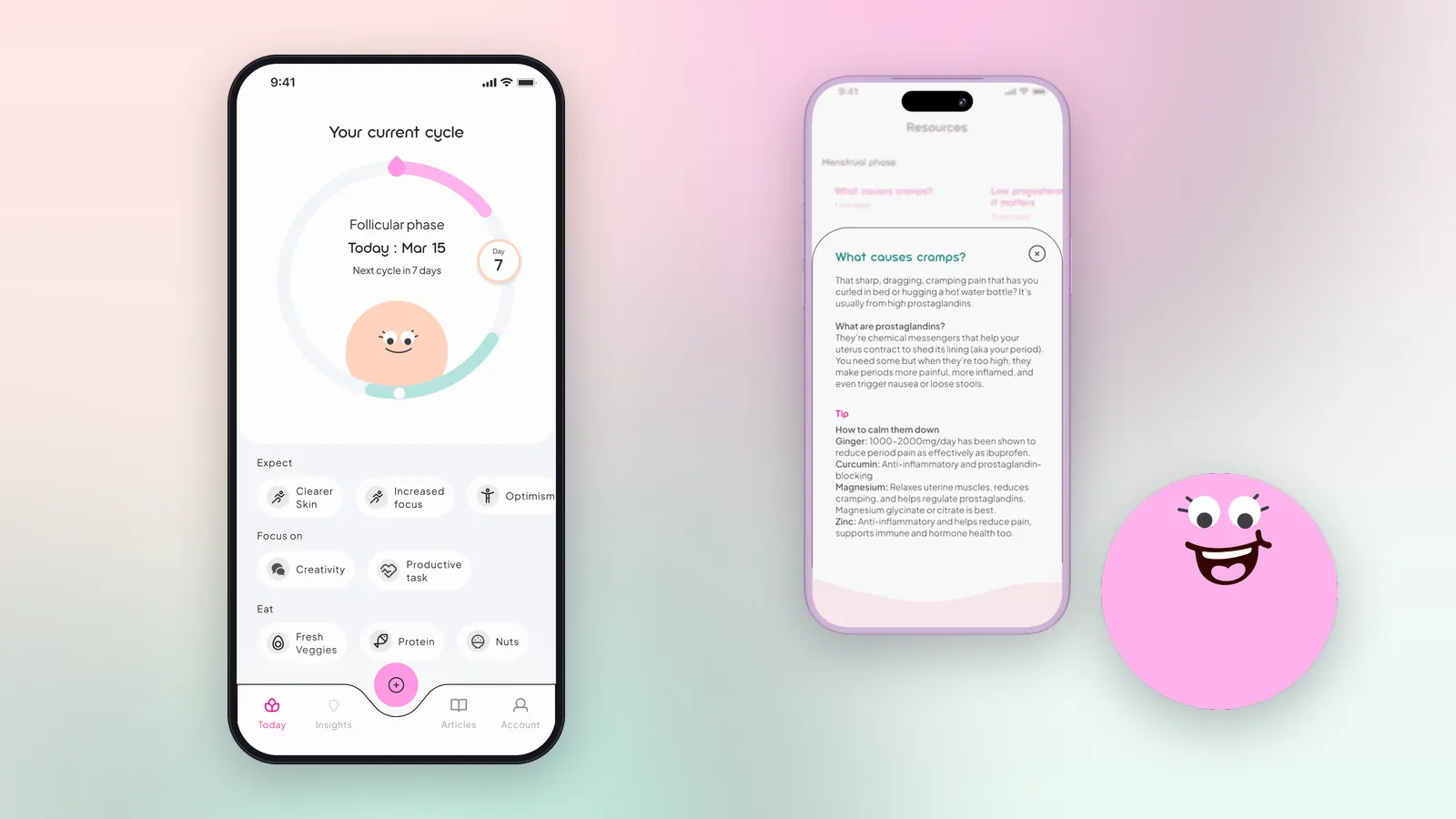
- A companion character that reacts to what you log, so tracking feels less like homework.
- Plain-language explanations of each phase, without clinical jargon.
- Predictions from your own history, with each cycle flagged regular or irregular against your own baseline.
- Private by default: tracking is free, and on the free plan logs stay on the phone. No ads, no selling data.
- Sharing with a parent, if you choose: with SheSync Pro, invite a parent, who sees your phase, predicted dates and symptoms explained in plain English. You can stop sharing at any time. They need an iPhone too.
Frequently asked questions
What age do periods usually start?
healthdirect says the average age for a first period is 12 or 13, but anywhere from 9 to 16 is normal. If you haven't had a period by 16 or 17, talk to a doctor.
Is it normal for periods to be irregular at first?
Yes. Irregular periods are normal when periods first start, and it can take a while for a pattern to settle. Tracking helps you see the pattern as it forms.
What's a good period tracker for a teenager?
Look for one that's private, explains things in plain language, and doesn't push ads or sell data. SheSync is designed for people 13 and over, keeps free-plan logs on the phone, has a friendly companion character, and lets you share your cycle with a parent if you choose.
Can a parent see their teen's cycle in SheSync?
Only if the teen chooses to share. With SheSync Pro, they can invite a parent, who then sees their cycle phase, predicted dates and logged symptoms with plain-English explanations. The teen can stop sharing at any time. Both people need an iPhone.
Sources
- Menstruation (periods), healthdirect
- Irregular periods, healthdirect
- Heavy periods (menorrhagia), healthdirect
- SheSync privacy policy, Digital Sauce
Last updated 16 October 2026. SheSync is a tracking and education tool, not a medical device or contraceptive method. For medical questions about your cycle, talk to your doctor.