Why heat is a real workplace hazard
Safe Work Australia says working in heat can harm workers when the body has to work too hard to keep cool, and that businesses have a legal duty to manage the risk. That applies indoors too: kitchens, factories, laundries and roof spaces can be as dangerous as an open site.
Some people are at higher risk. Safe Work Australia lists young workers under 25, older workers, pregnant women, people with conditions such as heart disease, and anyone not yet used to working in heat. The first hot week of the season, or your first week on a new site, is when acclimatisation is lowest.
Know the warning signs
| Condition | What to look for | What to do |
|---|---|---|
| Dehydration | Thirst, dry lips and tongue, slower thinking, less urine or dark urine | Drink water. Avoid caffeinated, fizzy and alcoholic drinks and salt tablets. Loosen clothing |
| Heat cramps | Painful, often disabling muscle cramps during hard physical work | Stop, rest somewhere cool, and have an electrolyte drink |
| Heat rash | Itchy small red spots on the face, neck, back, chest or thighs | Move somewhere cooler and less humid, keep the skin dry |
| Fainting | Collapsing while standing or getting up | Lie flat with legs slightly raised, then treat as heat stroke |
| Heat stroke | High temperature, headache, dizziness, nausea, confusion, clumsiness, fast breathing, stopping sweating, collapse | Call 000. Move to a cool place, remove PPE, cool with water and airflow |
Summarised from Safe Work Australia's first aid guidance. Not every symptom appears every time.
Heatstroke happens when your body temperature rises above 40°C, and healthdirect warns it can cause organ damage or death without urgent treatment. If a mate is confused or acting out of character in the heat, treat it as an emergency.
How much should you drink on a hot shift?
There isn't one number that suits everyone. Sweat rates vary widely between people, jobs and conditions, which is why sports scientists recommend personal plans rather than a set amount. What works on site:
- Start hydrated. Drink with breakfast and before you start, not just once you're on the tools.
- Drink little and often. Small drinks every break, and between breaks on hot days, beat a litre at smoko.
- Don't wait for thirst. Safe Work Australia notes that thirst is satisfied before your fluid loss is fully replaced.
- Check your urine. Pale straw is good. Dark yellow, or not needing to go all morning, means catch up.
- Weigh yourself. Weighing before and after a shift is the most reliable way to see how much you sweat. Losing more than about 2% of your body weight in a shift means you need to drink more.
- Keep drinking after work. Replace what you've lost before tomorrow, especially in a heatwave.
For more on sweat and exercise, see how much water to drink when you exercise or it's hot, or estimate your baseline with our water intake calculator.
What to drink, and what to skip
- Water first. Cool, fresh water should be easy to get to all day. Safe Work Australia lists access to it as a basic control.
- Electrolytes on big days. On long, hot, heavy days, or if you get cramps, an electrolyte drink helps replace the salt you've sweated out.
- Go easy on energy drinks. A 250 mL can has about 80 mg of caffeine, and they don't rehydrate you like water.
- Watch the night before. Alcohol makes you lose fluid, so a big night means starting the next shift behind. More in our Dry July and hydration guide.
Habits that keep a whole crew hydrated
- Everyone gets their own bottle with a known size, so you can count refills.
- Refill at every break, and keep a cooler in the shade.
- Pair up and check on each other, especially during the hottest part of the day.
- Do the hardest work early, and talk to your supervisor about the site's heat plan.
If you're worried about heat on your site, contact your state or territory work health and safety regulator.
How Hydration Hero helps
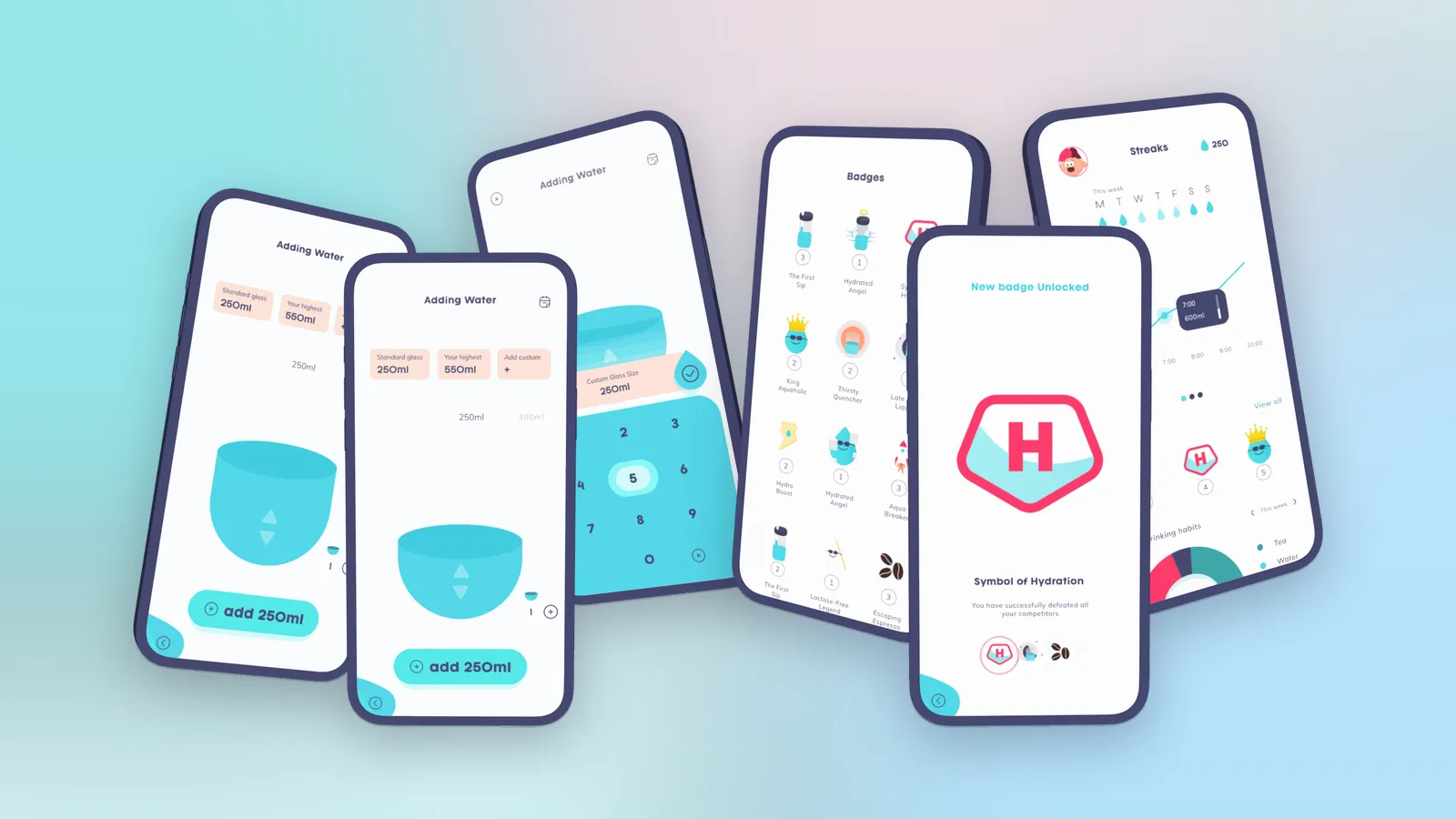
Hydration Hero makes drinking on a schedule easier to stick to:
- Reminders at the interval you choose, so you can match them to the job instead of getting nagged in a meeting.
- Custom drinks, so your electrolyte mix or protein shake counts properly.
- Honest drink weighting, so energy drinks and the after-work beer don't count like water.
- Mate challenges, so the whole crew can compete to hit their goal.
On iPhone you can try it instantly as an App Clip.
Frequently asked questions
How much water should you drink when working outside in the heat?
There's no single number, because sweat rates vary a lot between people and jobs. Start the day well hydrated, drink regularly through the shift instead of waiting until you're thirsty, and check your urine colour. Weighing yourself before and after a shift is the most reliable way to see how much you're losing.
What are the signs of heat stroke at work?
Safe Work Australia lists signs including high body temperature, headache, dizziness, nausea, confusion, clumsiness, rapid breathing, and a worker who stops sweating or collapses. Heat stroke is an emergency: call 000 straight away and start cooling the person.
Are energy drinks okay on a hot day?
They're not a good way to rehydrate. For first aid for dehydration, Safe Work Australia advises drinking water and avoiding caffeinated, carbonated and alcoholic drinks. A 250 mL energy drink has about 80 mg of caffeine.
Do I need electrolytes?
On long, hot, physical days you may. Safe Work Australia advises replacing electrolytes in extreme heat or dehydration, and an electrolyte solution for heat cramps. For most shorter days, water and normal meals are enough.
Can Hydration Hero help a crew stay hydrated?
Yes. You can set reminders at whatever interval suits the job, log custom drinks like electrolyte mixes, and start mate challenges so the whole crew keeps each other honest.
Sources
- Working in heat, Safe Work Australia
- Working in heat: frequently asked questions, Safe Work Australia
- First aid for heat-related illness, Safe Work Australia
- Heatstroke, healthdirect
- Hot weather risks and staying cool, healthdirect
- Exercise and fluid replacement: position stand (2007), American College of Sports Medicine
- Caffeine, healthdirect
Last updated 9 October 2026. General information, not medical or safety advice, and not a substitute for your workplace's heat plan. In an emergency, call 000. If you have a heart, kidney or liver condition, ask your doctor how much to drink.